

Should I Lease an Electric Car Through My Limited Company?
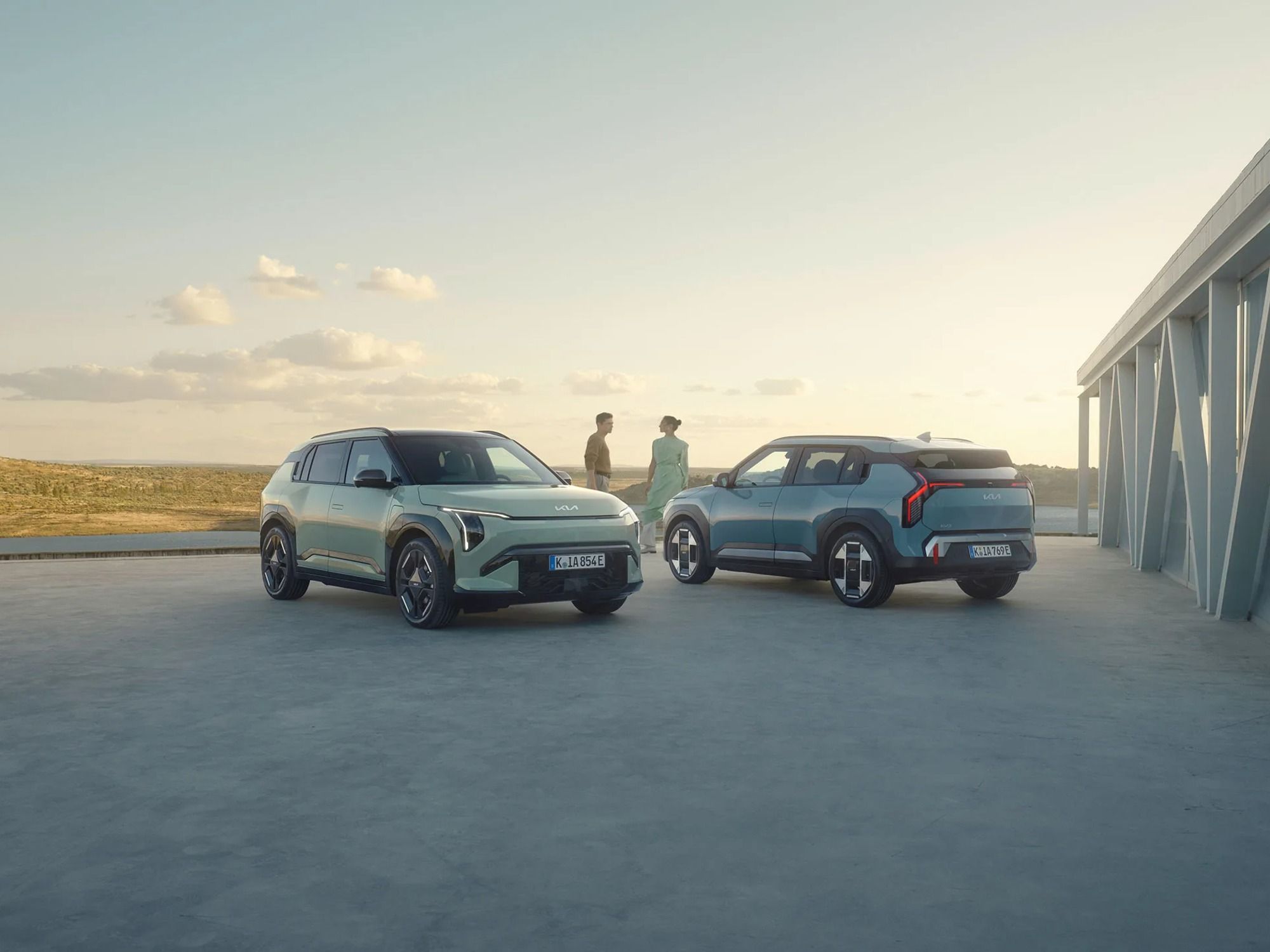
Company car tax, corporation tax and VAT on a business EV lease, explained in plain English for limited company directors.
Should I Lease an Electric Car Through My Limited Company?
If you run a limited company and fancy a new car, leasing an electric car through the business is one of the more tax-efficient ways to do it at the time of writing. Company car tax on EVs is low, the lease rentals can usually come off your company's profits, and a VAT-registered business can claim some of the VAT back.
That doesn't make it right for everyone, though. Here's how it works, what it costs you personally, and when it's worth a second thought.
How does leasing a car through a limited company work?
The usual route is business contract hire (BCH). Your company leases the car for a fixed term, typically two to five years, pays an initial rental followed by fixed monthly rentals, and hands the car back at the end. There's no balloon payment and no resale to worry about, because the company never owns it.
You agree an annual mileage at the start. Go over it and you'll pay an excess mileage charge, and damage beyond fair wear and tear is charged when the car goes back. Servicing and maintenance can be bundled in or paid for separately.
Because the company provides the car and you drive it, you're treated as a director with a company car. Which brings us to tax.
What tax will I pay on an electric company car?
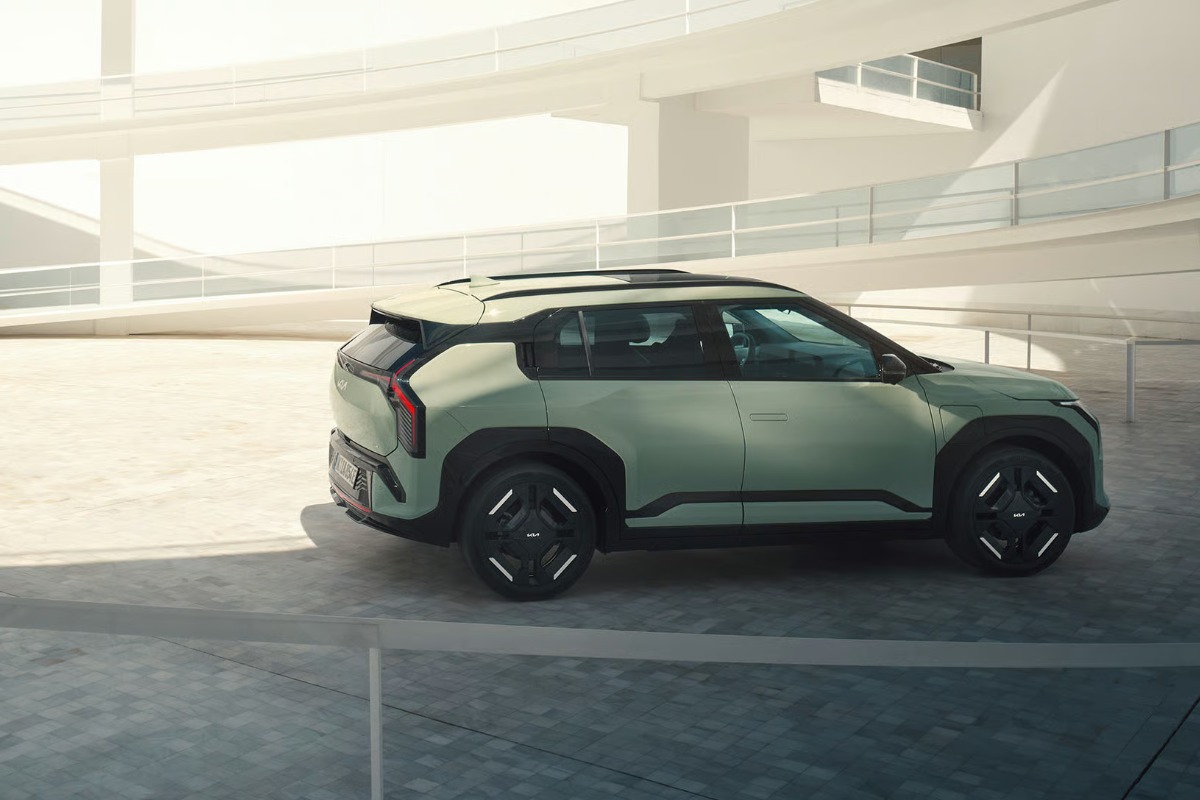
As a director, you pay benefit in kind (BIK) tax on the car. It's worked out as a percentage of the car's list price (its P11D value), and that figure is then taxed at your income tax rate.
For a fully electric car, the percentage is 4% in the 2026/27 tax year and 5% in 2027/28. The government has already set the next few years too: 7% in 2028/29, 9% in 2029/30 and 10% in 2030/31, the last of which was confirmed in Budget 2026. Compare that with petrol and diesel company cars, many of which sit at 25% or more, up to a maximum of 37%.
In plain numbers: on a £40,000 electric car at 4%, the taxable benefit is £1,600 a year. A basic-rate taxpayer would pay 20% of that, about £320 a year. A higher-rate taxpayer would pay about £640. Your company also pays Class 1A National Insurance on the value of the benefit.
Can my company claim the lease costs and the VAT?
Usually, yes. Lease rentals are a business expense, so they can normally be deducted from your company's profits before corporation tax. For cars emitting more than 50g/km of CO2, HMRC disallows 15% of the rental. A fully electric car produces zero tailpipe emissions, so that restriction doesn't apply.
On VAT, a VAT-registered company can normally reclaim 50% of the VAT on the lease rentals. The other half is blocked because HMRC assumes the car will get some private use. If you add a maintenance package and it's shown separately on the invoice, the VAT on that part can usually be reclaimed in full.
Not VAT-registered? Then none of it comes back, and the sums look a little less rosy.
When might it not be the right move?
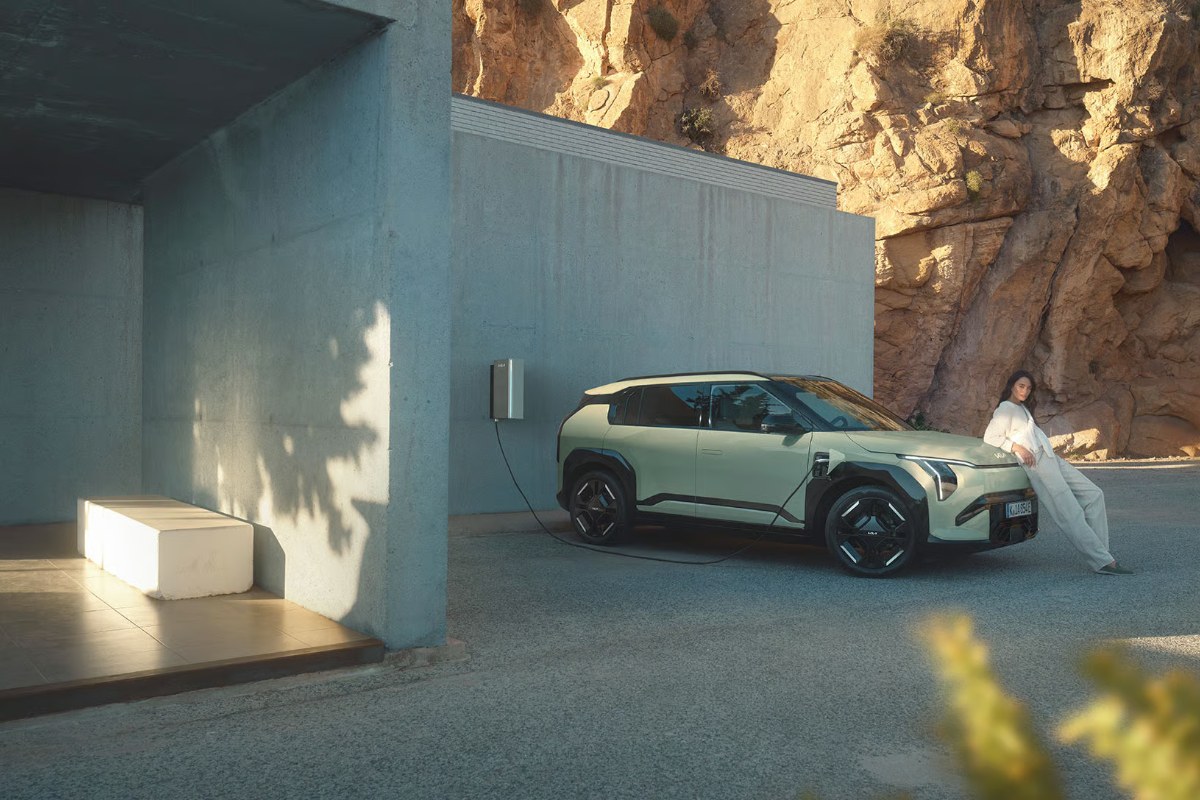
Leasing through the company works best when the car gets genuine business use and you're comfortable committing to fixed payments for a few years. It's worth pausing if:
- your company's profits are small or unpredictable, because the rentals still need paying every month
- you might close or restructure the business before the lease ends, as ending a lease early usually means a settlement charge
- you can't charge at home or at work and would rely on public chargers, which cost more and carry 20% VAT
- you regularly drive far more miles than you'd want to commit to up front
Everyone's position is different. How you pay yourself, your tax band and how the company is set up all change the picture, so run the numbers with your accountant before you sign anything.
How Swych can help
Swych arranges business contract hire on electric cars for limited companies and other businesses. You can compare models, terms and mileages in one place, and we'll help you find a lease that fits how you actually drive.
If you employ staff, it's also worth looking at salary sacrifice. Employees give up part of their gross salary in exchange for a new electric car, which can mean income tax and National Insurance savings depending on their salary, tax band and the scheme. There's no minimum commitment for the business, staff choose their car through a self-service portal, and payroll handles one monthly deduction.
The rates and rules in this guide are correct at the time of writing. Talk to us about the car, and to your accountant about the tax.
Thinking about an electric car for your business?
Compare EV leasing, business contract hire and salary sacrifice options with Swych.